
Berikut Takaran MPASI yang Tepat sesuai Usia Bayi
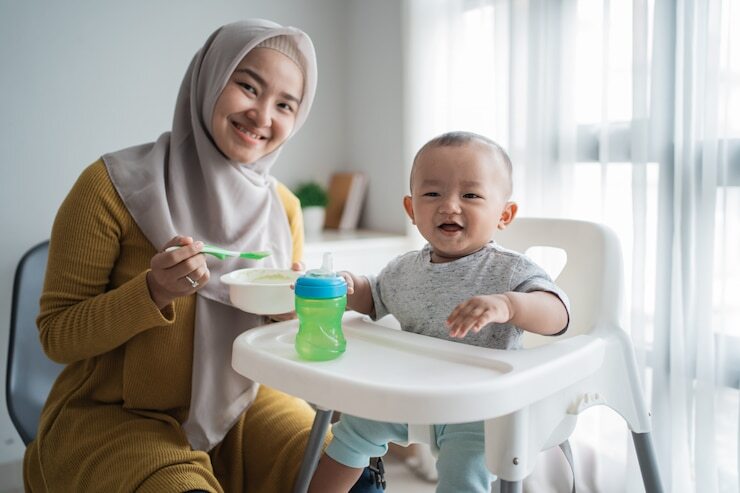
The importance of complementary feeding (MPASI) cannot be overlooked in supporting a baby's optimal growth and development. MPASI helps meet nutritional needs that increase as the baby grows, trains eating skills, and introduces new flavors and textures. The World Health Organization (WHO) provides evidence-based guidelines to ensure the safe, appropriate, and nutritious provision of MPASI. This article aims to provide a complete guide on the appropriate MPASI portions according to the WHO for each stage of a baby's age.
MPASI Portions for Babies Aged 6-8 Months

At the age of 6-8 months, the frequency of MPASI meals for the baby is 2-3 times a day. Start with small portions (2-3 tablespoons) and increase gradually. The consistency of the food provided should be soft and smooth, like porridge or puree. You can start introducing one new type of food every 3-5 days to monitor for allergic reactions. Examples of MPASI menus for babies of this age include:
- Fruit puree (avocado, banana, apple)
- Cereal porridge (rice, corn, oat)
- Vegetable puree (carrots, potatoes, pumpkin)
MPASI Portions for Babies Aged 9-11 Months
For babies aged 9-11 months, the feeding frequency is 3-4 times a day with larger portions (1/4 - 1/2 bowl). The food consistency can be thicker and have more texture, such as mashed rice, strained porridge, or finger foods. The types of food provided should be more varied, including animal protein (meat, fish, eggs), legumes, tofu, tempeh, as well as fruits and vegetables cut into small pieces. Examples of MPASI menus for babies of this age include:
- Chicken mashed rice
- Salmon porridge
- Scrambled eggs
- Soft fruit chunks (papaya, mango)
- Vegetable finger foods (broccoli, carrots)
MPASI Portions for Babies Aged 12-24 Months
At the age of 12-24 months, the baby's feeding frequency is 3 times a day with 2 healthy snacks. The consistency of the food can be the same as family meals, but with a texture that is adjusted (softer and easy to chew). The types of food provided must be diverse and include balanced nutrition, including sources of protein, carbohydrates, fats, fiber, vitamins, and minerals. Examples of MPASI menus for babies of this age include:
- Rice
- Side dishes (meat, fish, tofu, tempeh)
- Vegetables
- Fruits
What Are the Signs That a Baby Is Full?
Knowing the signs of a full baby is very important so that you do not force your little one to finish their food. Some signs of a full baby include:
- Closing their mouth or turning their head away
- Loss of interest in food
- Feeling sleepy or fussy
- Pushing food out of their mouth
Tips for Giving Proper MPASI to Your Little One

To ensure the MPASI feeding process goes smoothly and enjoyably, here are some tips you can apply:
1. Choose the Right Time
Give MPASI when the baby is calm and not too hungry or too full. The right mealtime helps the baby enjoy the food and reduces the risk of fussiness.
2. Create a Fun Mealtime Atmosphere
Ensure the dining atmosphere is comfortable and enjoyable. Avoid distractions such as televisions or gadgets. Give full attention to the baby so they feel valued and more enthusiastic during meals.
3. Give Freedom to Explore Food
Let the baby explore food with their hands (finger foods). This helps fine motor development and builds a positive relationship with food. The baby can try different textures and flavors.
4. Don't Force the Baby to Finish Food
Do not force the baby to finish their food if they have already shown signs of being full. Forcing them to eat can create negative associations with mealtimes and interfere with healthy eating habits.
5. Watch for Signs of Allergies
Observe the baby's reaction to new foods. Signs of an allergy include rashes, vomiting, diarrhea, or swelling. If these symptoms appear, immediately consult a doctor for proper treatment.
6. Vary the MPASI Menu
Provide a variety of foods so that the baby gets used to different tastes and textures. This also ensures the baby gets diverse nutrients. Combine vegetables, fruits, animal protein, and grains.
7. Start with Small Portions and Increase Gradually
Start with small portions, about 2-3 tablespoons, and increase gradually according to the baby's needs and appetite. This helps the baby's digestive system adapt to solid food.
8. Pay Attention to Food Consistency
Adjust the food consistency to the baby's age. Start with soft and smooth foods like puree, then move on to more textured foods as the baby grows.
9. Provide Easily Digestible Foods
Choose foods that are easily digested by the baby. Avoid hard foods, those that are over-seasoned, or those that could potentially cause choking. Focus on nutrient-rich foods that are safe for the baby's digestive system.
10. Monitor the Baby's Eating Pattern
Observe the eating pattern and the baby's response to certain foods. Every baby has different preferences and needs. Adjust the schedule and type of food according to the baby's eating pattern.
11. Consult a Doctor or Nutritionist
If you have any questions or concerns regarding MPASI, do not hesitate to consult a doctor or nutritionist. They can provide guidance appropriate to the baby's condition and needs.
12. Use Safe and High-Quality MPASI Products
Make sure to use safe and high-quality MPASI products. Choose storage containers that are BPA-free and feeding utensils suitable for babies. Hegen products, such as multifunctional PPSU bottles and Hegen Breastmilk Storage, can help make storing and serving MPASI safe and efficient.
Read also: Try These 7 Tips to Overcome a Baby Refusing Direct Breastfeeding
Providing the right MPASI portions according to WHO recommendations is essential to support the baby's optimal growth and development. Pay attention to the signs that a baby is full and do not force your little one to eat more than they need. If you have questions or concerns, consult your doctor or a nutritionist.
Source: Hegen
During the breastfeeding and MPASI transition, use baby products that optimally support this process. Choose superior products like Hegen PPSU Breastmilk Storage, which can be used as a feeding bottle and breast milk storage container. Hegen Breastmilk Storage makes storing breast milk and MPASI efficient and is heat resistant up to 180 degrees Celsius, making it safe to heat MPASI directly from its container.
By paying attention to the right MPASI portions and choosing appropriate products, you can ensure your little one gets the nutrition they need to grow and develop well.
Discover the full collection of Hegen products that are ready to help make your little one's breastfeeding and MPASI journey more comfortable and smooth. Click the Hegen official store here now!
References
- Hellosehat.com. Guide to Providing Complementary Foods (MPASI) for Babies. https://hellosehat.com/parenting/bayi/gizi-bayi/mpasi-6-bulan/
- theAsianParent Indonesia. Adjust MPASI Portions Based on Your Little One's Age. https://id.theasianparent.com/porsi-mpasi


