
Cara Menyendawakan Bayi Setelah Disusui, Bisa Mencegah Kolik
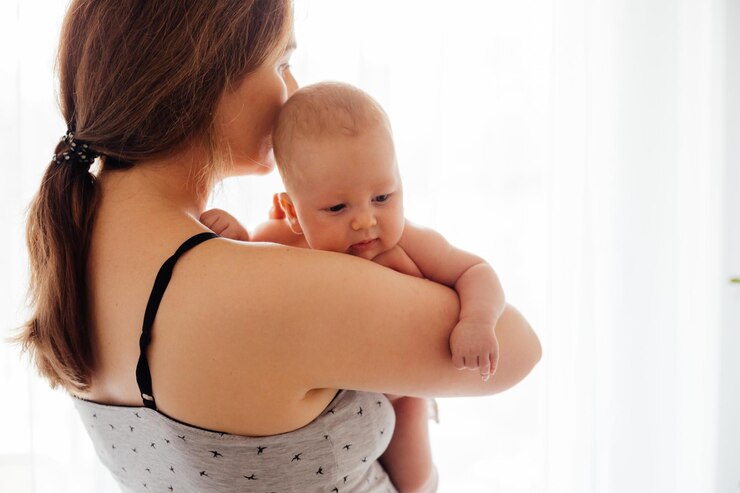
Welcome, Moms, in this article we will discuss the importance of burping a baby after feeding and effective ways to do it. Burping is important to help the baby release air swallowed during breastfeeding or bottle-feeding, thereby preventing bloating, colic, and spit-up. The following will explain in detail the methods for burping a baby that you can apply.
When Does a Baby Need to be Burped?
Burping is an important process to carry out after a baby breastfeeds or drinks from a bottle. Its purpose is to release swallowed air so it does not cause discomfort in the baby's stomach, as well as to prevent spit-up and more serious digestive issues.
There is no specific rule on when a baby must be burped. However, usually, a baby needs to be burped after breastfeeding or bottle-feeding, especially when they appear uncomfortable, have the hiccups, spit up, or are fussy. Burping helps reduce the likelihood of air being swallowed during the breastfeeding or bottle-feeding process.
Signs That a Baby Needs to Burp
Signs that indicate a baby needs to burp include audible hiccups, arching the back, pulling the legs toward the stomach, clenching fists, or they may seem fussy and uncomfortable if air is still trapped in their stomach.
Various Effective Burping Positions
The key to burping a baby is to support their head and neck. Ensure their stomach and back are in a comfortable, straight position (not hunched). Then, gently rub or pat their back. There is no need to hold the little one for a long time; a few minutes is sufficient.
Below are several ways to burp a baby; try which one works best or feel free to combine them.
1. Shoulder Burping Position
This position is done by supporting the baby's head and back on your shoulder. Gently rub or pat the baby's back to help release swallowed air more easily.
2. Sitting on the Lap Burping Position

Sit the baby on your lap with one hand supporting their chest and chin, while the other hand is used to gently and repeatedly pat or rub their back. The pressure applied to the baby's stomach in this position can help reduce discomfort caused by trapped air.
3. Lying Face Down Burping Position
This position is done by placing the baby face down on your lap. Support the baby's head with one hand while the other hand is used to pat or rub their back. The pressure applied to the baby's stomach in this position can help release air and relieve discomfort.
Is your little one still showing signs of trapped gas? Try laying the baby on their back and gently massaging their stomach. Try moving their legs back and forth, as if they are riding a bicycle. If these methods have not worked, contact a doctor for the best advice.
Read also: Why Do Babies Vomit After Breastfeeding? Here Are 6 Possible Causes
Additional Tips for Burping a Baby

- Be Patient and Gentle: Do not force the baby to burp. Give them enough time and treat them gently.
- Burp the Baby Periodically: Burp them every 2-3 ounces during bottle feeding, or in the middle of a breastfeeding session to help reduce the possibility of swallowed air.
- Notice Burping Signs: Listen for the sound of a burp and observe if the baby looks more relaxed afterwards.
- Try Different Burping Positions: Every baby may have a different preferred burping position. Try several positions to find the one that is most comfortable and effective for your baby.
- Keep Them Upright After Feeding. To help prevent milk from coming back up, keep your little one in an upright position after feeding for 10 to 15 minutes or longer.
- If the Baby Doesn't Burp: If the baby doesn't burp after a few minutes, continue feeding or other activities. Some babies don't always need to burp every time they finish feeding. As they grow older, this indicates the little one has learned to feed without swallowing too much air.
Things to Avoid When Burping a Baby
- Shaking the Baby: Shaking a baby can be dangerous and can cause serious neck or head injuries.
- Patting the Back Too Hard: Patting a baby's back too hard can make them feel uncomfortable or even cause breathing problems.
- Forcing the Baby to Burp: Let the baby burp naturally. Forcing them to burp can make them feel uncomfortable.
Read also: Moms, Here Are Tips for Choosing the Best Baby Teat for Your Little One
When Should You Contact a Doctor?
There are several conditions where you need to contact a doctor immediately if your baby experiences the following after burping:
- The baby continues to vomit or spit up large amounts after burping.
- The baby appears to be in pain or uncomfortable while burping.
- The baby has difficulty breathing or appears limp after burping.
- The baby experiences colic for 3 hours or more a day and continues to cry.
Burping is an important part of your baby's breastfeeding or bottle-feeding routine. By knowing the right way to burp a baby, you can help your little one feel comfortable and prevent digestive issues that may arise. If parents have further concerns or questions regarding your baby's burping, do not hesitate to consult a doctor or lactation consultant for further assistance.
To find out other important information regarding feeding issues and tips, you can continue following the latest articles only on the Hegen Indonesia blog. Also, discover various product collections that help make breastfeeding your little one easier, starting from anti-colic teats, straw cups, drinking bottles, teats, bottle and teat cleaners, electric and manual breast pumps, and breast milk storage containers made from PPSU. Get all these products now only on the official Hegen website.
References:
- KidsHealth. Burping Your Baby (For Parents). https://kidshealth.org/en/parents/burping.html
- Unicef Parenting. Baby Basics: How to burp your baby. https://www.unicef.org/parenting/child-care/how-to-burp-baby


