
Apa Perbedaan Perlengkapan Melahirkan Normal vs Caesar?
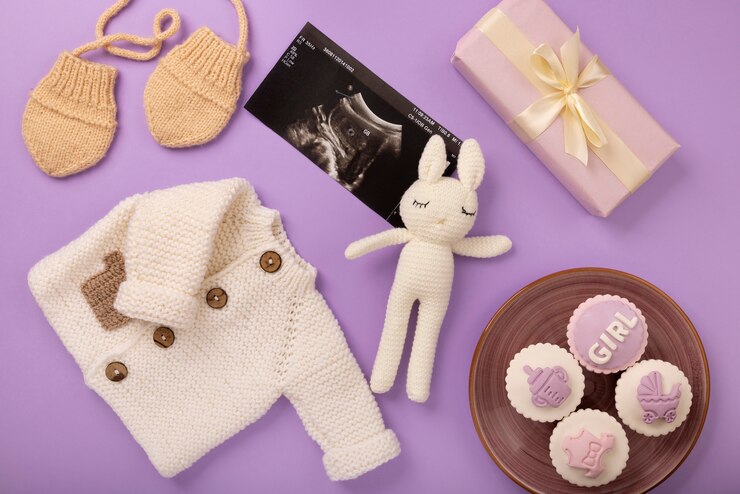
Preparing birth supplies is an important step for every expectant mother, whether planning for a normal birth or a cesarean section. Thorough preparation not only helps reduce stress and anxiety but also ensures that all necessities, for both mother and baby, are available when labor arrives. One thing you need to understand, Mom, is that the preparation required for mothers giving birth normally will differ from those undergoing a cesarean section. So, what are the differences? Check out the information below.
Birth Supplies for Normal Delivery
Preparing birth supplies for mother and baby is essential to ensure that all needs are met during and after a normal delivery. Here is a checklist of birth supplies that are recommended for you to bring.
Supplies for Mother
1. Important Documents
Important Documents: identity card (KTP, driver's license, or passport), health insurance card, pregnancy book/records, doctor's referral letter, hospital/clinic registration forms.
2. Clothing
- Maternity clothes: A comfortable gown or clothes to wear during labor, usually loose and easy to open at the front.
- Nursing bra: A supportive bra that is easy to use for breastfeeding after delivery.
- Special underwear: Disposable underwear or loose-fitting underwear to wear after delivery.
- Postpartum pads: Larger and thicker pads to absorb postpartum bleeding.
- Slippers: Comfortable slippers or footwear to wear in the hospital.
- Change of clothes: Comfortable clothes to wear after delivery and for the trip home.
3. Hygiene Supplies
- Toiletries: Soap, shampoo, toothbrush, toothpaste, and other toiletries.
- Towel and washcloth: For personal hygiene.
- Wet and dry wipes: Useful for hygiene while in the hospital.
- Lip balm: Lips can get dry during labor, so lip balm can help moisturize them to keep your lips feeling more comfortable.
4. Other Supplies
- Drinks and snacks: To maintain energy during labor (make sure snacks are in accordance with your doctor's advice).
- Extra pillow: For extra comfort during labor.
- Skin moisturizer: Skin can get dry in the hospital environment.
- Phone and charger: For communication and entertainment.
- Breast pump: Breast pump may be needed for certain conditions where breastfeeding directly is not possible.
Supplies for Baby
1. Baby Clothes
- Baby clothes: At least 2-3 sets of clothes for the baby, including sleepwear and going-home clothes.
- Baby diapers: Disposable or cloth diapers (an amount sufficient for a few days at the hospital).
- Mittens and socks: To keep the baby warm and prevent them from scratching their face.
- Baby blanket: To wrap the baby and keep them warm.
2. Breastfeeding Supplies
- Baby bottle and nipple: If necessary, although exclusive breastfeeding is the primary choice.
- Nipple cream: To help prevent or soothe sore nipples due to breastfeeding.
3. Baby Hygiene Supplies
- Baby wet wipes: To clean the baby gently.
- Changing mat: To make changing diapers easy anywhere.
- Diaper cream: To prevent diaper rash.
4. Additional Supplies
- Baby carrier or swaddle blanket: To carry the baby comfortably on the way home.
- Baby hat: To protect the baby's head from the cold.
Read also: Don't Worry, Mom, Here Are 4 Ways to Get Your Breast Milk Flowing Quickly After Birth
Birth Supplies for Cesarean Delivery

Source: freepik
For a cesarean delivery, the birth supplies for the baby are not much different from those for a normal delivery. However, there are some additional birth supplies that the mother needs to bring, in addition to those already mentioned above. Here is a list of additional items you can prepare, Mom.
- Special Underwear: High-waisted underwear or special postpartum underwear that will not press on the incision area.
- Compression Stockings: May be recommended by the doctor to help prevent blood clots after surgery.
- Wound Care Supplies: Additional bandages or antiseptic ointment as advised by the doctor for post-operative incision care.
- Mobility Aids: If necessary, to help you move after surgery.
- Nursing Pillow: A pillow designed to help you breastfeed comfortably without pressing on the incision area.
- Painkillers: Make sure you have pain relief medication prescribed by your doctor to manage post-surgical pain.
- Scar Reduction Cream or Gel: If recommended by the doctor, a special cream to help heal the surgical scar.
Ensure all the items above are packed in an easy-to-carry bag, and place it in a location that is easily accessible when signs of labor begin. Some hospitals may provide basic supplies for mother and baby, so it is important to find out what is provided and what you need to bring yourself.
By preparing these supplies, you can focus more on the labor process and ensure your birth experience is more comfortable and smooth.
Read also: Check Out 5+ Ways to Deal with Baby Blues for Breastfeeding Mothers
Tips for Preparing Birth Supplies

Source: freepik/v.ivash
Preparing birth supplies well can help reduce stress and ensure birth preparations go smoothly. Here are some tips that can help you prepare your newborn baby's needs.
1. Start Preparing Early
Labor can occur earlier than expected. It's best to start preparing your birth supplies when your pregnancy reaches the third trimester/around the 32nd week of pregnancy. This gives you enough time to ensure that all necessities are ready.
2. Make a Supply List
Create a list of birth supplies needed to avoid forgetting important items. Separate the list into needs for mother, baby, and partner if they will be accompanying you at the hospital.
3. Choose a Practical Bag
Use a hospital bag that is large enough and easy to carry. Make sure the bag has several compartments so that you can organize items well and find them easily when needed.
4. Prepare Frequently Used Items at the Top of the Bag
Place items that are most likely to be needed first at the top of the bag, such as important documents, maternity clothes, and postpartum pads.
5. Ensure the Clothes You Bring Are Comfortable
Choose loose, comfortable, and easy-to-wear clothing. After giving birth, you may feel more comfortable in clothes that do not put pressure on the stomach and are easy to put on or take off.
6. Prepare Recovery Supplies
After giving birth, you will need special recovery supplies, such as postpartum pads, comfortable underwear, and possibly bandages or wound care cream if you undergo a cesarean section.
7. Bring Breastfeeding Supplies
If you plan to breastfeed, bring a nursing bra, nursing pillow, and nipple cream to facilitate the breastfeeding process and reduce discomfort.
8. Don't Forget Baby Supplies
Bring baby clothes, diapers, blankets, and other basic necessities. Make sure you also prepare comfortable clothing for the trip home that is appropriate for the weather.
9. Bring Entertainment Items
Labor can take a long time. Bring books, magazines, or a mobile phone with a charger to entertain yourself while waiting for labor or during recovery.
10. Coordinate with the Hospital
Some hospitals provide basic supplies for mothers and babies. It is best to ask the hospital beforehand what is provided so you do not need to bring unnecessary items.
11. Prepare Items for Your Partner
If your partner will be accompanying you, prepare supplies for them too, such as a change of clothes, snacks, and toiletries. This helps them stay comfortable and focused on supporting you in welcoming the birth.
12. Don't Forget Important Documents
Ensure all important documents, such as identification cards, insurance cards, and pregnancy books, are in one easily accessible place.
13. Double-Check Everything
As the due date approaches, double-check your hospital bag to ensure everything is ready and nothing is left behind.
Read also: When Can a New Mother Do Housework?
Preparing a baby bottle as part of your birth supplies can be beneficial, although there are some considerations to think about based on individual preferences and situations.
Even if you plan to breastfeed exclusively, there are situations where breastfeeding might be difficult, such as if you or your baby need time to adapt, or if you cannot breastfeed immediately after birth.
In these situations, a bottle can be useful for feeding pumped breast milk. To support a more comfortable and pleasant breastfeeding process, you can consider the Hegen feeding bottle as an excellent choice.
Why Choose Hegen Feeding Bottle?

Hegen Feeding Bottles are designed with various superior features that ensure the baby's comfort and health. With an innovative anti-colic design, this bottle helps prevent air from entering the baby's stomach, which is often the cause of colic and discomfort.
In addition, the Hegen Feeding Bottle is easy to use and clean, thanks to the "press-to-close, twist-to-open" system and the wide bottle neck shape, allowing you to reach every corner without difficulty.
This bottle is also made of high-quality PPSU (Polyphenylsulfone) which is BPA-free, making it safe for babies. Its practicality in use also makes the Hegen Feeding Bottle a highly recommended choice, especially for mothers who plan to breastfeed exclusively with the help of a bottle.
Bringing a Hegen Feeding Bottle in your hospital bag is not just a precaution, but also gives you peace of mind that you are prepared with the best gear for your baby's nutritional needs, whenever needed.
Beyond feeding bottles, Hegen also has many other essential maternity products such as drinking bottles, straw cups, breast pumps, breast milk storage, teats, bottle and teat brushes, and other supporting accessories. Click here to shop now!
References:
- Hellosehat. Don't Leave Anything Behind, Prepare These Birth Supplies in Advance. https://hellosehat.com/kehamilan/melahirkan/yang-harus-disiapkan-di-dalam-koper-menjelang-kelahiran-bayi-kembar/
- Halodoc. 10 List of Items to Include in Your Hospital Bag. https://www.halodoc.com/artikel/10-daftar-barang-yang-ada-dalam-tas-persiapan-melahirkan
Featured image - freepik


