
Bagaimana Cara Menyimpan MPASI yang Benar? Simak Ini!
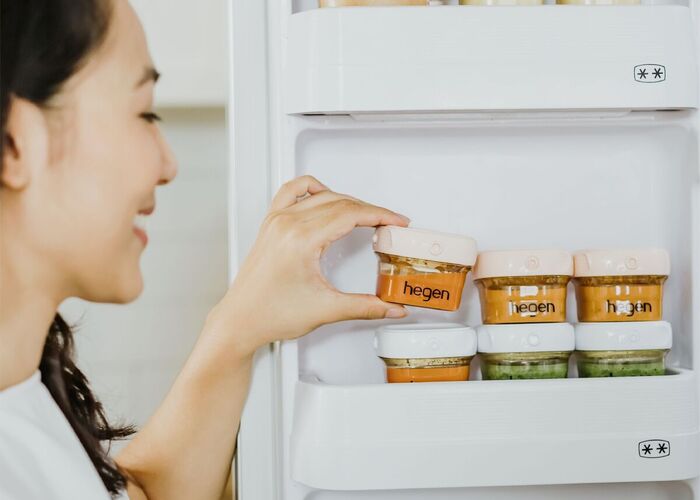
Proper MPASI (solid food for babies) storage is crucial to maintain freshness, nutrition, and baby food safety. Proper storage prevents the growth of bacteria that can cause food poisoning and preserves the nutritional content needed for a baby's optimal growth and development.
If MPASI is stored incorrectly, the risk of bacterial contamination increases, which can lead to infections or digestive issues in babies. Additionally, nutrients in MPASI, such as vitamins and minerals, can diminish or be lost if stored for too long or at improper temperatures.
Therefore, storing MPASI correctly, such as in airtight containers and at appropriate temperatures, is vital for a baby's health. In this article, we will guide you, Mom, through the proper process of storing MPASI in the refrigerator and freezer. Read carefully!
How to Store MPASI in the Refrigerator
Storing MPASI in the refrigerator requires special attention to maintain the quality and safety of baby food. Here are the methods for storing MPASI in the refrigerator, focusing on ideal temperatures, container selection, storage duration, and some additional tips that Mom should keep in mind.
1. Ideal Temperature
Ensure the refrigerator temperature is below 4°C (around 2-3°C) to slow down bacterial growth and keep the MPASI fresh.
2. Proper Container
Use airtight containers that are BPA-free, such as plastic or glass containers with tight lids. This prevents contamination and keeps the MPASI's aroma and taste fresh. Additionally, choose containers in single-serving sizes to make retrieval easier and prevent waste.
3. Storage Duration
MPASI stored in the refrigerator should be consumed within 24-48 hours to maintain nutritional quality and prevent bacterial growth. Avoid storing MPASI for more than 48 hours, as the risk of contamination and nutritional degradation increases.
4. Tips for Storing MPASI in the Refrigerator
In addition to the points above, Mom should also consider the tips below to preserve the nutritional quality of the MPASI.
- Label and Date: Always label the container with the preparation date to track the storage duration.
- Store on the Top Shelf: Keep MPASI on the highest shelf of the refrigerator to avoid temperature changes caused by frequent opening and closing of the fridge door.
- Avoid Storing in the Refrigerator Door: The refrigerator door area tends to experience higher temperature fluctuations, making it less ideal for storing MPASI.
- Thaw MPASI Safely: If the MPASI was frozen, thaw it in the refrigerator, not at room temperature, to avoid bacterial growth.
Also read: MPASI for the First 6 Months: Success Tips, Schedules & Easy Recipes
How to Store MPASI in the Freezer
Storing MPASI in the freezer is an effective way to extend shelf life and ensure baby food stays fresh and safe to consume. Here is a complete guide on how to properly freeze, store, thaw, and heat MPASI.
1. How to Freeze MPASI
- Portioning: Before freezing, divide the MPASI into small portions according to single-meal needs. This will simplify the thawing process and minimize food waste if the baby doesn't finish it.
- Freeze Gradually: Mom can first freeze the MPASI in an ice cube tray, then once frozen, transfer them to a larger freezer container or bag. This allows Mom to take only the necessary portions without needing to thaw everything at once.
2. Choosing Containers
- BPA-Free Containers: Use containers that are freezer-safe, BPA-free, and airtight. Good options include special freezer bags, glass or plastic containers with tight lids, and ice cube trays equipped with lids.
- Clear Labeling: Label each container or bag with the name of the MPASI and the freezing date to facilitate identification and storage duration monitoring.
3. Storage Duration
- Fruits and Vegetables: MPASI made from fruits and vegetables can generally be stored in the freezer for up to 3 months.
- Meat and Fish: MPASI containing meat or fish should be stored for no more than 2 months to maintain food quality and safety.
- Cereal or Carbohydrates: Cereal or carbohydrate-based MPASI can be stored for up to 1 month.
4. How to Thaw and Heat MPASI
- Thawing: Thaw MPASI by moving the container from the freezer to the refrigerator and letting it melt slowly overnight. Avoid thawing MPASI at room temperature, as this can increase the risk of bacterial growth.
- Heating: Once the MPASI has thawed, heat it carefully on the stove in a small saucepan or using a microwave. Make sure to stir the MPASI well to ensure even heating, and always check the temperature before feeding it to the baby to avoid the risk of burns.
- Do Not Refreeze: MPASI that has been thawed and heated should not be refrozen, as this can increase the risk of contamination and nutritional loss.
Also read: 4 Good Fish Options for MPASI, Mom Must Know!
Signs MPASI Is Not Fit for Consumption

Source: freepik
After MPASI has been stored in the refrigerator or freezer, it is important to check for signs indicating that the food is no longer fit for consumption. Here are some signs that Mom should watch out for.
1. Color Change
MPASI that is no longer fit for consumption often changes color. For example, fruits or vegetables that were initially bright become pale or turn brownish/grayish.
2. Unpleasant Odor
A sour, rotten, or foul smell is a primary sign that MPASI is no longer fit for consumption. This can be caused by bacterial growth or food spoilage.
3. Texture Change
Changes in MPASI texture, such as becoming too thick, slimy, watery, or lumpy, are indications that the food has spoiled. Abnormal texture may indicate that the food has been stored too long or not stored correctly.
4. Abnormal Taste
If the taste of the MPASI becomes bitter, sour, or unusual, it could be a sign of spoilage. However, taste should only be tested after ensuring the odor and texture are still normal, and it should not be tested directly on the baby if there is any doubt.
5. Presence of Ice Crystals or Frost
If you find thick ice crystals or frost on MPASI stored in the freezer, it could indicate that the food has suffered from freezer burn. Although not always dangerous, this condition can ruin the taste and texture, making the MPASI less suitable for consumption.
6. Signs of Bloating in the Container
Storage containers or bags that appear bloated or release gas when opened are signs of microbial growth, which can lead to food poisoning. MPASI in this condition must be discarded immediately.
If Mom notices any of the signs above, it is best to discard the MPASI and not feed it to the baby. Consuming MPASI that is no longer fit for consumption can endanger the baby's health, so it is essential to always check food quality before feeding it to your little one.
Also read: Don't Get It Wrong! Here Are 5 Safest Ways to Warm Up MPASI

Choosing the right container is essential when storing baby food in the fridge or freezer. In this regard, using Hegen baby food containers is the best and most appropriate choice for you, Moms. What are the benefits?
- Airtight: Hegen containers are designed with a tight seal, preventing contamination and keeping food fresh.
- BPA-Free: Made from high-quality material, namely PPSU (Polyphenylsulfone), which is BPA-free, making it safe for babies and ensuring it does not affect the taste or quality of the food.
- Practical Design: Facilitates the storage and retrieval of baby food, while also making the thawing and heating process easier due to its practical and efficient design.
Using the right container like Hegen helps ensure baby food stays fresh, safe, and nutritious for your little one. So, Moms, optimize your baby food storage process by purchasing Hegen containers by clicking here!
References:
- Gabrielle McPherson, MS, RDN, LDN. How to Store Baby Food. https://www.happiestbaby.com/blogs/baby/how-to-store-baby-food
- Sarah Schlichter, MPH, RDN. How To Freeze Homemade Baby Food. https://www.parents.com/baby/feeding/center/how-to-make-and-freeze-baby-food-safely/


