
Jangan Salah! Ini Panduan Memilih Wadah ASI yang Tepat
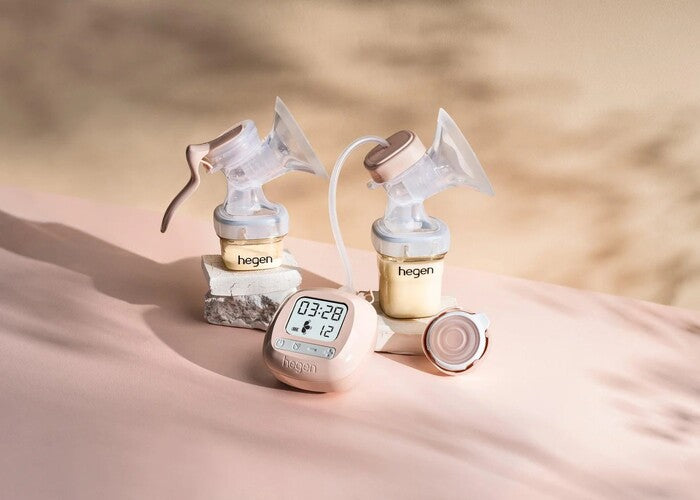
Choosing the right breast milk storage container is important for the comfort and health of breastfeeding mothers because it helps maintain the quality of breast milk, facilitates storage, and prevents contamination. Safe, BPA-free, and easy-to-clean containers will ensure that breast milk remains sterile and suitable for consumption by the baby. In addition, an ergonomic container makes it easier for mothers to pump and store breast milk, thereby reducing the risk of discomfort or infection.
Types of Breast Milk Storage Containers
There are several types of breast milk storage containers often used by breastfeeding mothers. Each type of container has its own advantages depending on the mother's needs, such as ease of storage, durability, and ease of use. Here is the review.
1. Breast Milk Bottles
Made of glass or BPA-free plastic, breast milk bottles are usually used to store smaller amounts of breast milk and are safer from leaks. These bottles can be connected directly to a breast pump and facilitate feeding the baby directly from the bottle.
2. Breast Milk Storage Bags
Disposable plastic bags specifically designed for storing breast milk in the freezer. Breast milk bags are flexible, space-saving, and can hold large amounts of breast milk. Although more practical for storage, breast milk bags are more prone to leaking compared to bottles or hard containers.
3. Breast Milk Storage Containers
Usually made of plastic or silicone that is safe for breast milk and can be used repeatedly. These containers are stronger than breast milk bags and can be used to store breast milk in the refrigerator or freezer. Containers with tight seals keep breast milk fresh and prevent contamination.
Read also: 5 Proper Ways to Store Breast Milk After Pumping, Did You Know?
Factors to Consider When Choosing Breast Milk Storage Containers
In choosing a breast milk storage container, there are several important factors to consider, based on individual needs and situations. You can see the explanation below.
1. Pumping Frequency
If a mother pumps breast milk regularly, more durable containers such as bottles or hard plastic containers might be more suitable. For occasional use, disposable breast milk bags can be a practical option.
2. Amount of Breast Milk Pumped
If a mother produces a lot of breast milk, flexible breast milk bags that can hold more breast milk in the freezer can be a more efficient choice. Breast milk bottles are more suitable if the amount of breast milk pumped is relatively small and will be used immediately.
3. Lifestyle
For mothers with an active lifestyle or who travel frequently, lightweight and space-saving breast milk bags are very helpful for storage and transport. Mothers who stay at home more might find it more comfortable to use reusable bottles or containers.
4. Budget
Reusable breast milk bottles and storage containers require a larger initial investment, but are more economical in the long run. Meanwhile, disposable breast milk bags are cheaper per bag, but need to be replaced periodically so the costs can add up.
Read also: How to Store Breast Milk in the Fridge to Keep It Durable and Quality-Maintained
Tips for Choosing Safe and High-Quality Breast Milk Storage Containers

Considerations in choosing a breast milk storage container include several aspects such as product material, safety and cleanliness, ease of use, and product durability. By considering these four aspects, mothers can ensure that the chosen breast milk storage container is safe, practical, and long-lasting. Here is the explanation.
1. Choosing BPA-Free Materials
Ensure that the breast milk storage container, whether it is a bottle, bag, or storage container, is made of BPA (Bisphenol-A) free material. BPA-free materials are safer for storing breast milk because they do not contain harmful chemicals that can contaminate the breast milk.
2. Safety and Cleanliness
Choose a container that is easy to clean and sterilize. Reusable breast milk bottles and containers should have a wide enough neck to facilitate cleaning. Ensure that the breast milk bag or container has a strong seal to prevent leakage and contamination.
3. Ease of Use
Choose a container that is easy to use for storing, dating, and dispensing breast milk. Some products have additional features such as a writing space that makes it easy for mothers to record the storage date. Containers compatible with breast pumps can also save time and effort.
4. Product Durability
Strong and durable bottles and storage containers are ideal for long-term use, especially if breast milk will be frequently pumped and stored. Ensure the product is resistant to extreme temperatures, especially if stored in the freezer or reheated.
Read also: Don't Get It Wrong! These Are the 5 Safest Ways to Warm Up Complementary Foods (MPASI)
How to Properly Store Breast Milk
Another important thing that you must pay attention to besides choosing the right breast milk storage container is the correct way to store expressed breast milk (ASIP). This includes the process of cooling, freezing, thawing, and warming. You can read the review below.
-
Cooling
Store breast milk in the refrigerator at a temperature of 4°C or lower. Breast milk can last up to 4 days in the refrigerator if stored in a clean, tightly sealed container.
-
Freezing
Freeze breast milk if it will not be used within 4 days. Store it in a special breast milk bag or container in the freezer at a temperature of -18°C or lower. Frozen breast milk can last up to 6 months, and up to 12 months in a very low-temperature freezer.
-
Thawing
Thaw frozen breast milk in the refrigerator overnight or by soaking the container in warm water. Do not thaw frozen breast milk at room temperature or use a microwave because it can damage nutrients and cause hot spots.
-
Warming
Warm up breast milk by soaking the bottle or bag in warm water. Avoid heating directly with a microwave to prevent nutrient loss and uneven heat distribution.
Read also: Can Breast Milk That Has Been Warmed Be Put Back in the Fridge?

Selecting the right breast milk storage container is very important in the process of storing expressed breast milk (ASIP) both in the refrigerator and in the freezer. In this case, using breastmilk storage from Hegen is the best and most appropriate choice for you. What are its advantages?
- Airtight: Hegen containers are designed with a tight lid, preventing contamination and maintaining the quality and nutrients of breast milk.
- BPA-Free: Made from high-quality material, namely PPSU (Polyphenylsulfone) which is BPA-free, so it is safe for babies and does not affect the quality of expressed breast milk.
- Practical Design: Facilitates storage as well as the thawing and warming process because of its practical and efficient design.
Using a breast milk storage container like Hegen Breastmilk Storage helps ensure that the quality of breast milk will be maintained, so it is safe and nutritious for the baby. Click here! To shop now!
References:
- Mayo Clinic. Breast milk storage: Do's and don'ts. https://www.mayoclinic.org/healthy-lifestyle/infant-and-toddler-health/in-depth/breast-milk-storage/art-20046350
- Christin Perry. The Dos and Don’ts of Breast Milk Storage. https://www.thebump.com/a/breast-milk-storage


