
Buat Jadwal MPASI dengan 9 Cara Ini, Bayi Pasti Lahap Makan!
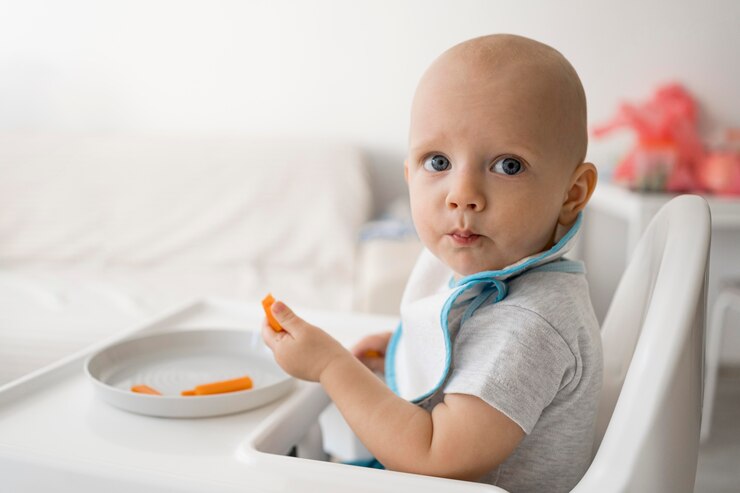
MPASI stands for Makanan Pendamping ASI (Complementary Foods for Breast Milk). Generally, children are introduced to more solid foods at the age of 6 months. Of course, giving it should also be done gradually with food textures adjusted to the baby's age. So, don't get the MPASI schedule for your little one wrong. At first, your little one starts with semi-liquid food and continues to more solid stages. Now, so you don't get confused, Mom can see the full information in the following article.
What is the Purpose of MPASI?
As previously explained, MPASI stands for Makanan Pendamping ASI, which is additional food given to babies besides breast milk or formula. The purpose of giving MPASI is as follows.
- MPASI helps meet nutritional needs/provides additional nutrition that increases as the baby starts to grow and develop.
- Giving MPASI helps babies develop self-feeding skills and maintain their own eating needs over time.
- Introducing babies to a variety of food tastes and textures, which helps in developing their food preferences in the future.
- Proper nutrition from MPASI supports the baby's physical and mental growth and development.
- Preventing malnutrition in babies, such as iron, vitamin, and other mineral deficiencies.
- MPASI provides the energy needed for physical activity and optimal brain development in babies.
- Forming healthy eating habits in babies from an early age, which can have a positive impact on their eating patterns in the future.
MPASI Texture According to Age Stage
Before discussing how to implement an MPASI schedule for your little one, Mom must understand the MPASI texture stages according to your little one's age. The following is a general guide regarding MPASI textures that are appropriate for the baby's age stage.
1. Initial Stage (6-8 Months)
- Texture: MPASI at the initial stage is usually in a smooth or soft form. This can be smooth porridge, puree, or very mashed food.
- Purpose: Helping babies get to know new food tastes and develop chewing movement coordination.
- Example menu: mashed banana, smooth oatmeal porridge, carrot and potato puree, apple and pear puree, or rice and pumpkin porridge.
2. Advanced Stage (8-10 Months)
- Texture: MPASI at this stage starts to be introduced with a coarser or mushy texture, such as thicker porridge, small pieces of food, or coarsely mashed food.
- Purpose: Developing the baby's ability to chew thicker food and introducing them to more varied food textures.
- Example menu: Oatmeal porridge with small pieces of fruit like blueberries/strawberries, mashed broccoli and potato puree, rice porridge with soft pieces of chicken meat, mango and avocado puree.
3. Enhancement Stage (10-12 Months)
- Texture: At this stage, babies usually start to be able to chew better, so MPASI can be given in the form of larger pieces of food, such as soft pieces of fruit, vegetables, or meat.
- Purpose: Training chewing skills and developing the ability to handle foods with more diverse textures.
- Example menu: pieces of banana/dragon fruit, whole wheat bread, boiled potatoes and cut beef, steamed carrots and fried tempeh, or grilled fish and pumpkin.
It is important to note that every baby develops at a different pace, so it is necessary to pay attention to signs of the baby's readiness to introduce more solid textures.
Make sure to monitor the baby's response to food and consult with a doctor or nutritionist if Mom has any concerns or questions about the right food stages for your little one.
Tips for Creating an MPASI Schedule

Creating an MPASI schedule that is effective and in accordance with the baby's needs can help them get the right nutrition and also make it easier for mothers to plan food menus. Here are some tips that Mom can apply when creating an MPASI schedule.
1. Consult with a Doctor or Nutritionist
Before starting an MPASI schedule, it is very important to consult with a doctor or nutritionist to get advice tailored to the baby's specific needs, such as food allergies or certain medical conditions.
2. Ensure the Baby is Ready to Start MPASI
Observe signs of the baby's readiness to start MPASI, such as the baby's ability to sit stably, interest in food, and ability to swallow smooth food.
3. Start with One Type of Food
When starting MPASI, introduce one new type of food at a time for several days. The goal is to monitor whether the baby has an allergic reaction or intolerance to a certain food.
4. Choose the Right Time
Choose the right time to give MPASI, usually about an hour after breast milk or formula. Make sure the baby is hungry but not too hungry so that they can focus on the food.
5. Create a Routine Schedule
Set a routine schedule to give MPASI, such as 2-3 times a day at the same time every day. Consistency in the schedule can help the baby develop good eating habits.
6. Pay Attention to Nutritional Needs
Make sure to provide balanced food that meets the baby's nutritional needs. Choose foods that are rich in iron, protein, vitamins, and minerals.
7. Let the Child Explore
Give the baby time to explore food with their own hands. This helps them develop fine motor skills and increases their interest in food.
8. Stay Flexible
The MPASI schedule should be flexible and adaptable to your baby's needs. Sometimes, they may not want to eat or may want to eat more than the set schedule, and that is normal.
9. Pay Attention to the Baby's Response
Observe the baby's reaction to the food given and their response to the MPASI schedule. If there are any concerns or problems, do not hesitate to consult a doctor or nutritionist.
Challenges in Providing MPASI and Their Solutions

Every child has different readiness and eating needs. Some mothers may have to face certain challenges when starting the MPASI schedule. What are they? Here are examples of common challenges that occur during MPASI provision, complete with their solutions.
1. Baby Refuses to Eat
Solution: Be patient and keep offering the food. Sometimes it takes several attempts before the baby accepts new food. Set a positive example by showing excitement when the baby tries new food.
2. Difficulty Chewing/Swallowing
Solution: Start with food whose texture matches the baby's developmental stage. Mash the food if necessary and be sure to choose food that is appropriate for your baby's chewing ability.
3. Difficulty Managing the MPASI Schedule
Solution: Establish a consistent eating schedule every day. Avoid giving MPASI when the baby is too hungry or too full.
4. Worried Nutrition is Not Met
Solution: Choose food that is rich in nutrients and varied for MPASI. Be sure to include a variety of foods, including vegetables, fruits, grains, protein, and healthy fats. If necessary, consult a doctor or nutritionist to ensure the baby gets a balanced MPASI menu.
5. Time-Consuming MPASI Preparation
Solution: Prepare MPASI food periodically, such as making food in large quantities at once, then storing it in small containers or freezer bags. Mom can also provide instant food that is safe and healthy for babies, such as ready-made fruit or vegetable purees.
Use Hegen Breastmilk Storage to Store MPASI

To support a smooth MPASI schedule, Mom must also provide quality food containers. In this case, Hegen offers a breastmilk storage product that can also be used as a storage place for MPASI.
Fruit puree or food that has been mashed can be prepared gradually and frozen first, which saves time and energy. In this case, HEGEN PCTO™ 60ML/2OZ BREAST MILK STORAGE PPSU (6-PACK) is very suitable for storing MPASI dishes that Mom has prepared for your little one.

The quality of breast milk storage from Hegen cannot be doubted because it uses amber-yellowish PPSU material that is free of artificial pigments, so breast milk and MPASI will not be contaminated with harmful substances.
In addition, this material is also often used as a base material for medical equipment, so it is guaranteed to be superior, durable, and has resistance to high temperatures ranging from -20°C to 180°C. Thus, Mom can freeze or warm up complementary foods from the breast milk storage directly.
What are you waiting for, always give the best to your little one by trusting breast milk storage containers and other mother and baby needs only from Hegen by clicking here.
Referensi:
- Siloam Hospitals. Mengenal 4 Tahapan Tekstur MPASI Berdasarkan Usia Bayi. https://www.siloamhospitals.com/informasi-siloam/artikel/tahapan-tekstur-mpasi
- Halodoc. Tips Memberikan MPASI di Usia 6 Bulan. https://www.halodoc.com/artikel/tips-memberikan-mpasi-di-usia-6-bulan


