
Begini Cara Memberikan Dot pada Bayi yang Benar agar si Kecil Nyaman
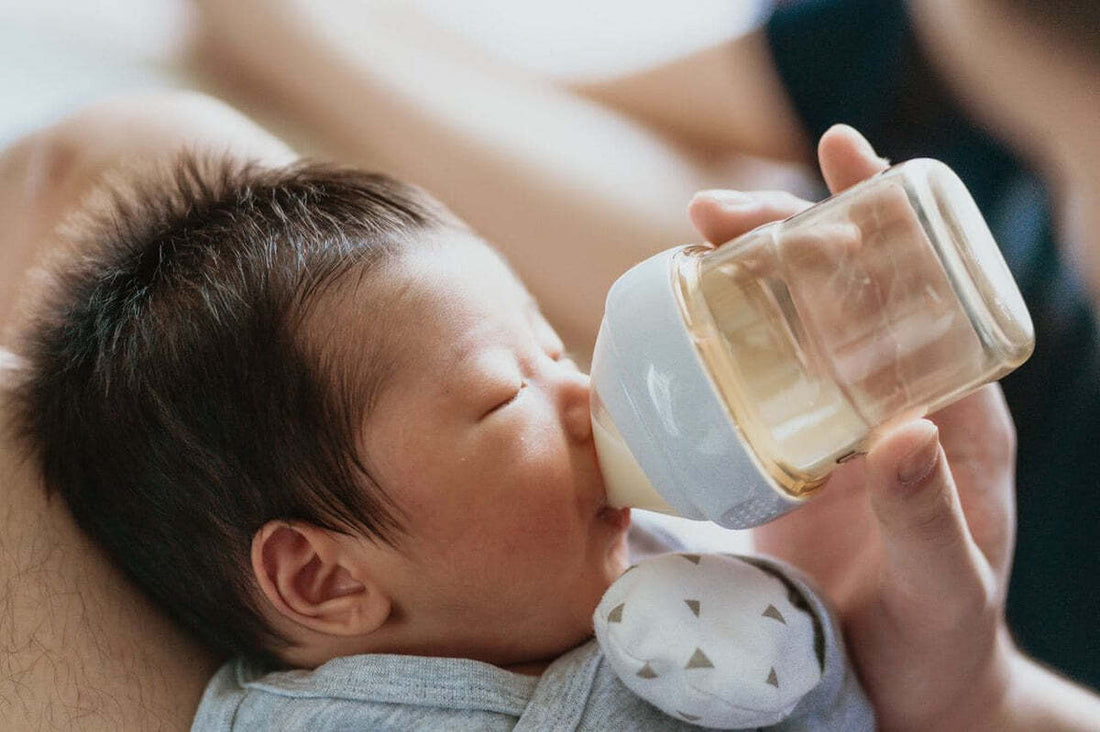
Bunda, giving a pacifier to a baby is often a unique challenge for many parents, especially for those who are first-time parents. A pacifier can be a practical tool, but there are several things you need to pay attention to so that its use is safe and effective. In this article, we will discuss in full how to give a pacifier to a baby correctly, as well as the benefits that can be gained by both the baby and the parents. Come on, check out the complete guide!
The Importance of Pacifiers as a Breastfeeding Aid
A pacifier is a useful tool for many families in feeding or soothing a baby. Here are some benefits that you may experience from using a pacifier:
- Soothing the Baby: A pacifier can be a tool to soothe a fussy baby, especially when they are teething or experiencing colic. Sucking on a pacifier provides a sense of comfort and calmness for the baby.
- Facilitating Milk Feeding: You or your partner can more easily give expressed breast milk or formula to the baby when using a pacifier, especially when you need to rest or when your partner wants to be involved in the feeding process.
- Helping Oral Muscle Development: Sucking on a pacifier exercises the baby's mouth muscles and can help them learn breastfeeding techniques better.
When is the Right Time to Introduce a Pacifier?
There is no exact rule on when the right time is to start giving a pacifier to a baby. However, experts generally suggest waiting until the baby is about 4-6 weeks old. This gives the baby time to become proficient at nursing directly from the breast, so the risk of nipple confusion can be minimized. Once the baby is accustomed to the nursing rhythm, you can start introducing the pacifier gradually.
Choosing the Right and Safe Pacifier
Choosing the right pacifier is very important for the baby's comfort. There are several things to consider when choosing a pacifier:
- Pacifier Size: Make sure you choose a pacifier that matches the baby's age. The right size will ensure balanced milk flow and comfort for the baby while feeding.
- Pacifier Material: Choose a pacifier made from safe materials, such as BPA-free silicone, which is more durable and non-toxic.
- Milk Flow: Each pacifier has a different flow rate. Newborns should use a slow-flow pacifier so they do not choke. Meanwhile, older babies may require a faster-flow pacifier.
Preparation Before Giving a Pacifier to the Baby
Before you follow the steps to give a pacifier to the baby, there are several important steps to prepare to maintain your little one's health and comfort:
- Sterilize the Pacifier: Always sterilize the pacifier before use, especially before the first use. This is important to prevent bacterial growth that could endanger the baby's health.
- Check Milk Temperature: Ensure the temperature of the expressed breast milk or formula is not too hot. You can test it by dripping a little milk on your wrist.
- Check Pacifier Condition: Check the pacifier periodically. If there are signs of damage or leaks, replace it immediately to avoid the risk of the baby choking.
Steps to Give a Pacifier to the Baby

Source: Hegen
After all preparations are made, here are the steps you can follow when giving a pacifier to the baby:
- Wash Your Hands First: Ensure your hands are always clean before handling the pacifier or the baby. This is important for maintaining hygiene.
- Hold the Baby Comfortably: Position the baby comfortably in your arms, preferably in a semi-upright position to avoid the risk of choking.
- Position the Pacifier Correctly: Place the pacifier near the baby's mouth, and let the baby take the pacifier naturally. Do not force the pacifier into the baby's mouth, as this can make the baby uncomfortable.
- Observe the Baby's Nursing Rhythm: Let the baby nurse at their natural rhythm. If the baby starts slowing down or releasing the pacifier, it could be a sign that they are full or need a break.
Tips and Tricks for Giving a Pacifier to the Baby
Teaching a baby to nurse from a pacifier can take time and patience. Here are some tips you can try to simplify the process:
- Be Patient: Don't be immediately disappointed if the baby refuses the pacifier at first. Give your little one time to adapt.
- Try Various Positions: Try several breastfeeding positions to find the most comfortable one for the baby.
- Clean the Pacifier After Use: Always clean the pacifier after use. This is important to maintain hygiene and prevent infection.
- Replace the Pacifier Periodically: The pacifier needs to be replaced every 2-3 months or sooner if signs of damage appear.
Things to Avoid When Giving a Pacifier
To ensure the baby's safety, there are several things to avoid when giving a pacifier:
- Giving a Pacifier While the Baby is Sleeping: It is best to avoid giving a pacifier while the baby is sleeping, as this can increase the risk of choking.
- Leaving the Baby Alone with a Pacifier: Do not leave the baby alone nursing with a pacifier without supervision, especially in a crib or baby chair.
- Using a Pacifier as a Substitute for Breast Milk: A pacifier should not be used as a substitute for breast milk, because breast milk remains the best source of nutrition for the baby.
- Damaged or Unsterilized Pacifiers: Using a damaged or unsterilized pacifier can endanger the baby's health. Ensure the pacifier is always in good and clean condition.
Read also: How Many Times Is It Safe to Use a Baby Bottle? Find Out Here!
Giving a pacifier to a baby can be a practical solution for parents, as long as it is done correctly. A pacifier can help soothe the baby and facilitate feeding expressed breast milk or formula, especially when you or your partner cannot breastfeed directly. Make sure to always choose the right pacifier, maintain hygiene, and monitor the baby while nursing. This way, using a pacifier will be a safe and comfortable experience for your little one.
Use Anti-Colic Pacifier Bottles from Hegen

Source: Hegen
To ensure your baby gets a comfortable and safe nursing experience, Hegen comes with the best anti-colic pacifier bottles. Hegen pacifier bottles are designed with anti-colic technology that helps prevent excess air from entering while the baby is nursing, so the risk of colic can be reduced. In addition, Hegen bottles are made from BPA-free PPSU material, which is durable and easy to clean and sterilize. With an ergonomic design, Hegen bottles also make it easier for you to feed breast milk or formula more efficiently.
Come on, use Hegen anti-colic pacifier bottles to provide extra comfort for you and your little one! Visit and shop for all your little one's needs only on the Hegen Indonesia website.


